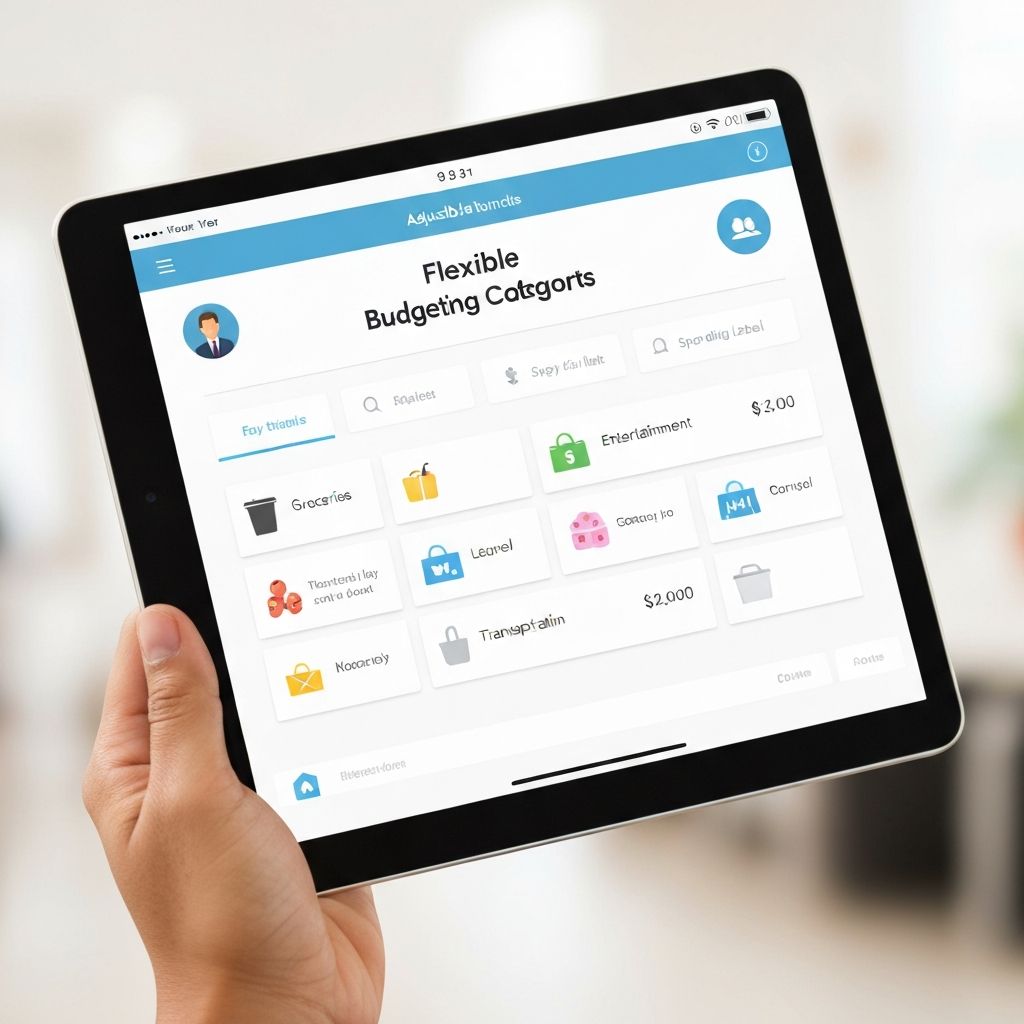
Flexible budgeting is an approach some people use to accommodate the unpredictable nature of everyday expenses. This article explores the concept of flexible budgeting and how it differs from more rigid budget structures.
Understanding Flexible Budgets
A flexible budget is one that allows for adjustments and variations in spending. Unlike strict budgets with fixed amounts for each category, flexible budgets incorporate room for change based on actual circumstances.
Why People Choose Flexibility
Individuals may prefer flexible budgeting for several reasons:
- Variable income that changes month to month
- Unpredictable expenses that are difficult to anticipate
- Lifestyle factors that make rigid categories impractical
- Preference for general guidelines over strict limits
Flexible vs. Rigid Budgeting
Rigid budgets set specific dollar amounts for each spending category and aim to stick to these limits strictly. Flexible budgets, in contrast, use ranges or guidelines that can adapt to changing situations. Neither approach is inherently superior; the choice depends on individual circumstances and preferences.
How Flexible Budgets Work
In practice, flexible budgets might include:
- Spending ranges instead of fixed amounts (example: groceries between certain amounts rather than a specific number)
- Priority-based categories (essential vs. optional)
- Adjustable allocations that can shift between categories
- General spending guidelines rather than strict rules
Building in Buffer Space
Many flexible budgets include buffer categories or unallocated funds to handle unexpected expenses or opportunities. This buffer provides room for adjustment without disrupting the overall budget structure.
Monitoring Flexible Budgets
Even with flexibility built in, monitoring remains important. People with flexible budgets still track spending, but they focus more on overall patterns and trends rather than strict adherence to specific amounts.
When Flexibility Makes Sense
Flexible budgeting may be particularly relevant for those with irregular income, variable expenses, or lifestyles that don't fit neatly into fixed categories. It can also work well for people who find rigid budgets too restrictive or difficult to maintain.
Potential Considerations
While flexibility can make budgets more adaptable, it can also make monitoring more challenging. Without clear boundaries, some people may find it harder to maintain spending discipline. The level of flexibility that works best varies by individual.
Combining Structure and Flexibility
Many people create budgets that combine elements of both structure and flexibility. They might have fixed allocations for essential expenses while maintaining flexible approaches for discretionary spending.