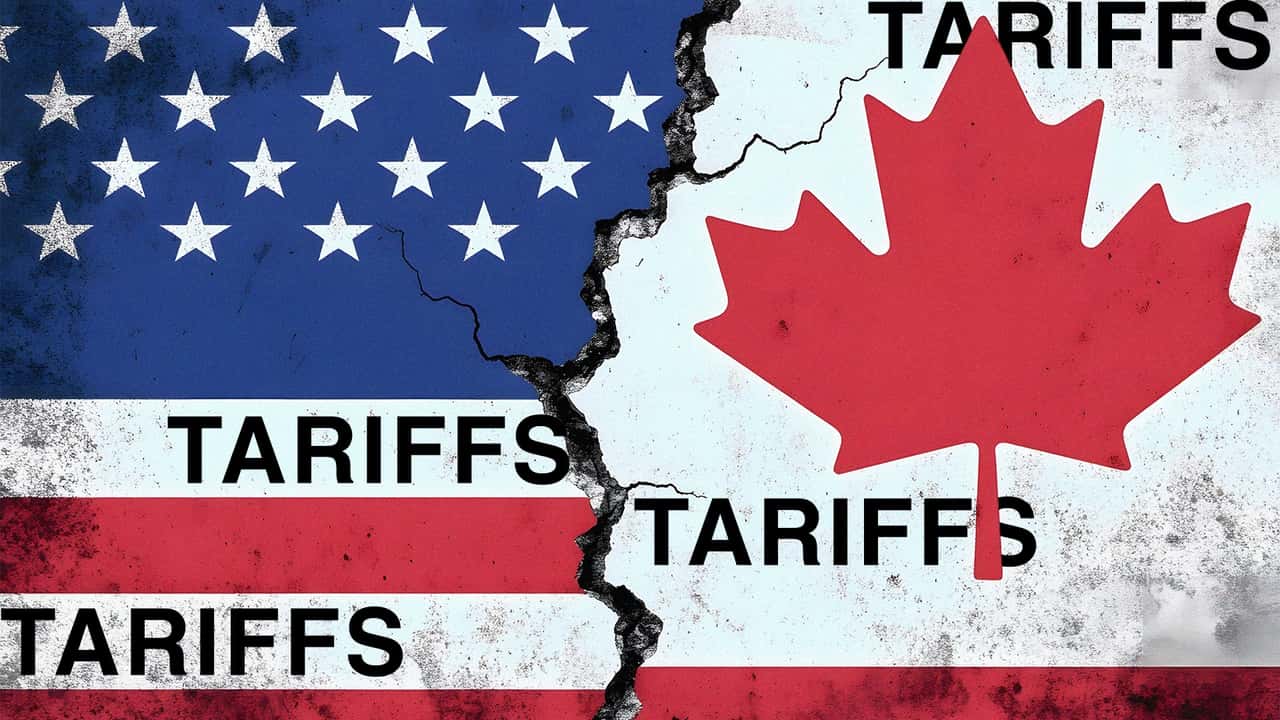
Trade relationships between neighboring countries can significantly affect everyday household economics, from the prices consumers pay for goods to employment opportunities in various sectors. This educational article examines recent developments in US-Canada trade policy and explores how such changes might influence personal financial planning considerations.
Background on US-Canada Trade
The United States and Canada maintain one of the world's largest bilateral trade relationships. According to publicly available government data, billions of dollars in goods and services cross the border annually. This trade encompasses various sectors including automotive manufacturing, agricultural products, energy resources, and consumer goods.
For many decades, the two countries have worked to reduce trade barriers through various agreements. The current framework governing this relationship replaced previous arrangements and was designed to facilitate the movement of goods and services between the nations.
Recent Policy Developments
In early 2025, new tariff proposals emerged from the United States administration. These proposals suggested the potential implementation of additional duties on certain categories of imports from Canada. Such policy discussions have historically occurred during various administrations as part of ongoing trade policy evaluations.
Tariffs are essentially taxes on imported goods. When one country imposes tariffs on another's exports, it can affect the final price consumers pay for those products. The economic rationale behind tariff policies varies and often involves considerations of domestic industry protection, trade balance concerns, and negotiating leverage in broader economic discussions.
Sectors Potentially Affected
Several economic sectors could experience changes if new tariff measures were implemented:
Automotive Industry: A significant portion of vehicles and auto parts move between the US and Canada as part of integrated manufacturing processes. Changes in trade policy could affect production costs and potentially vehicle prices.
Agricultural Products: Canada exports various agricultural commodities to the United States, while also importing American farm products. Tariff changes could influence food prices and farm income in both countries.
Energy Sector: Canada supplies energy resources to US markets. Trade policy modifications might affect energy costs and supply arrangements.
Manufacturing and Consumer Goods: Many consumer products involve cross-border supply chains. Tariff adjustments could influence the cost structure of these goods.
Potential Economic Implications
Economic analysts often examine how trade policy changes might affect various aspects of the economy. While predicting exact outcomes is complex, several general considerations emerge:
Price Effects: Tariffs typically increase import costs, which may lead to higher retail prices for affected products. However, the extent of price changes depends on numerous factors including market competition, currency exchange rates, and whether domestic alternatives exist.
Employment Considerations: Trade policy can affect employment in different ways. Some domestic industries might benefit from reduced foreign competition, potentially supporting jobs in those sectors. Conversely, industries relying on imported materials or components might face increased costs, and export-oriented businesses could be affected by retaliatory measures.
Supply Chain Adjustments: Businesses often adjust their supply chains in response to changing trade conditions. This might involve finding alternative suppliers, relocating production, or renegotiating contracts.
Historical Context
Trade tensions between nations are not unprecedented. Throughout economic history, countries have periodically adjusted their trade policies in response to various economic and political considerations. Past episodes have shown that trade disputes sometimes lead to negotiated settlements, while other times they result in sustained policy changes.
During previous periods of trade policy uncertainty, businesses and households have adapted through various strategies including diversifying suppliers, adjusting purchasing decisions, and seeking cost efficiencies in other areas of operation.
Considerations for Personal Financial Planning
While individuals cannot control international trade policy, they can consider how macroeconomic changes might affect personal finances:
- Budget Awareness: Monitoring prices for frequently purchased items can help identify cost changes that might require budget adjustments.
- Diversification: In investment contexts, diversification across different sectors and geographic regions is a commonly discussed risk management approach.
- Career Considerations: Understanding how one's industry might be affected by trade policy changes could inform career planning decisions.
- Major Purchase Timing: For significant purchases like vehicles or appliances, awareness of potential price changes might influence timing decisions.
The Role of Negotiation and Dialogue
Trade relationships between countries are often characterized by ongoing dialogue and negotiation. Initial policy proposals sometimes lead to discussions that result in modified approaches or negotiated settlements. Both the US and Canadian governments maintain channels for economic dialogue, and business groups on both sides typically engage in advocacy regarding trade policy.
Historical precedent suggests that trade tensions often motivate stakeholders to seek mutually acceptable solutions, though the timeline and outcome of such processes vary considerably.
Information Sources and Staying Informed
For those interested in following developments in US-Canada trade relations, several types of sources provide ongoing coverage:
- Government economic agencies release data and statements about trade policy
- Business news outlets report on trade developments and their industry implications
- Economic research organizations publish analyses of trade policy effects
- Industry associations provide sector-specific information
When evaluating information about complex economic topics, considering multiple sources and distinguishing between factual reporting and opinion analysis can be helpful.
Broader Economic Context
Trade policy represents just one factor among many that influence economic conditions. Other considerations affecting household finances include domestic economic growth rates, employment levels, interest rate policies, inflation trends, and technological changes.
Trade developments occur within this broader economic context, and their specific effects on individuals depend on personal circumstances including employment sector, geographic location, consumption patterns, and investment holdings.
Long-Term Perspective
Economic relationships between countries evolve over time through various policy cycles. While specific trade measures may create near-term adjustments, long-term economic fundamentals such as productivity growth, innovation, and demographic trends often play larger roles in determining sustained economic outcomes.
For individuals managing personal finances, maintaining flexibility in budgets, continuing to develop marketable skills, and building financial resilience through saving and appropriate insurance coverage represent strategies that can help navigate various economic conditions regardless of specific trade policy outcomes.